

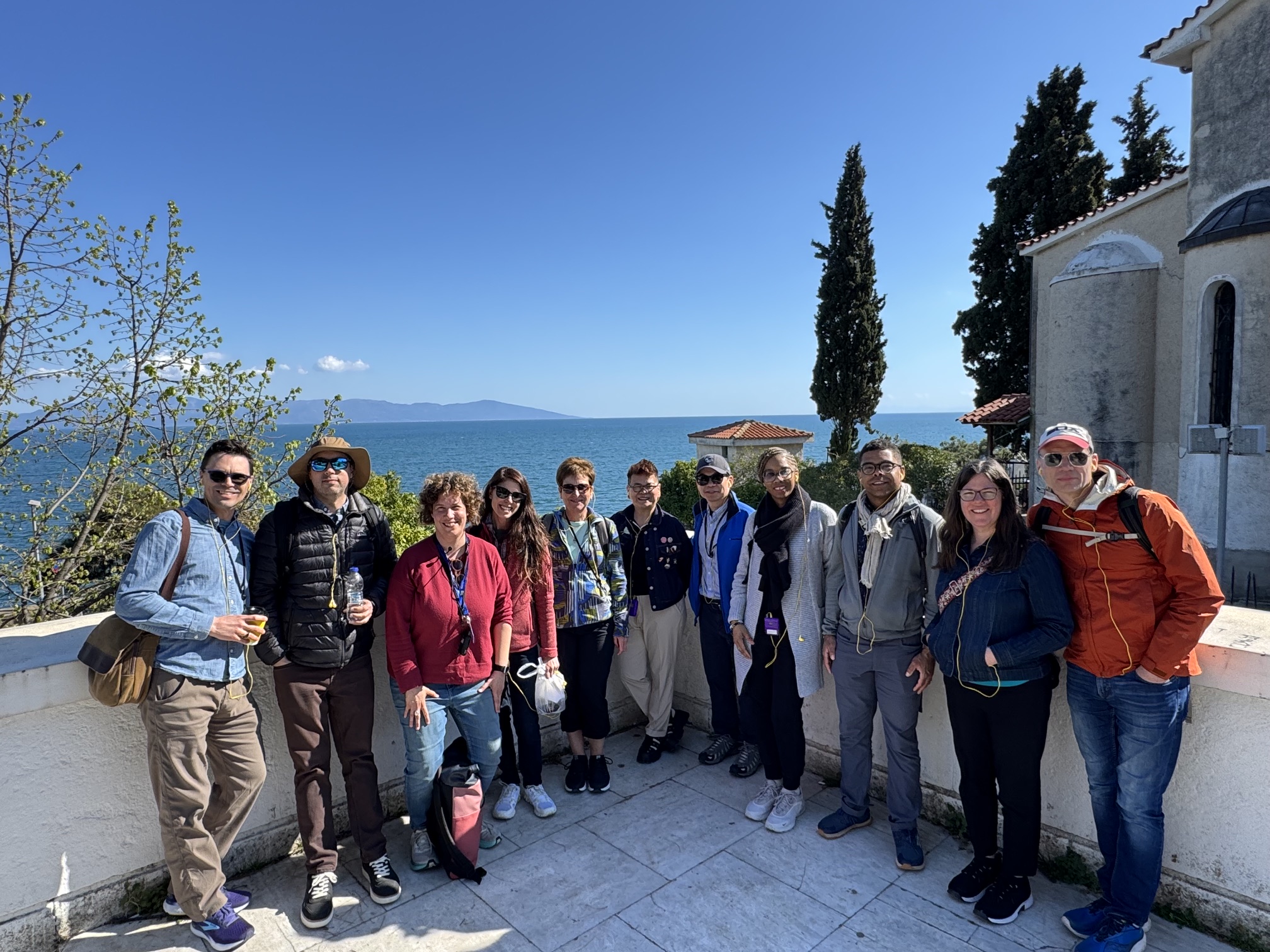
Recently, I had the opportunity to join one of our TMC cohorts on a visit to Greece where we explored the Holy Spirit’s work through Paul and his colleagues in Macedonia with the Jews in diaspora.
As I looked back at the hundreds of photographs I captured, it reminded me of the hours of laughter, the touching moments of reflection, and the transformational encounters we had as we took this trip during the Eastern Orthodox Holy Week. We were blessed to have this experience between the traditional Catholic/Protestant Easter Sunday and the Greek Eastern Orthodox Easter Sunday. Our hosts shared with us how Easter is experienced in Greece and how almost everyone in the community rallies together to acknowledge and celebrate the resurrection. Our group was basking in the grace of experiencing Easter as a participant, not as a leader worried about the details of the rituals we were leading.
On Good Friday, there is a tradition of the Epitaphios ritual where hundreds and thousands of people across the country pour out into the streets to watch the parade of the symbols of Christ’s burial. Our group joined them, curious about this ritual that atheists, agnostics, and marginally religious people joined in to get a glimpse of the bier that was adorned with flowers and candles and herbs representing the sacrifice of Christ for all. It subtly disrupted many of the assumptions we tend to carry about the relationship of congregations, seekers, and the broader community.
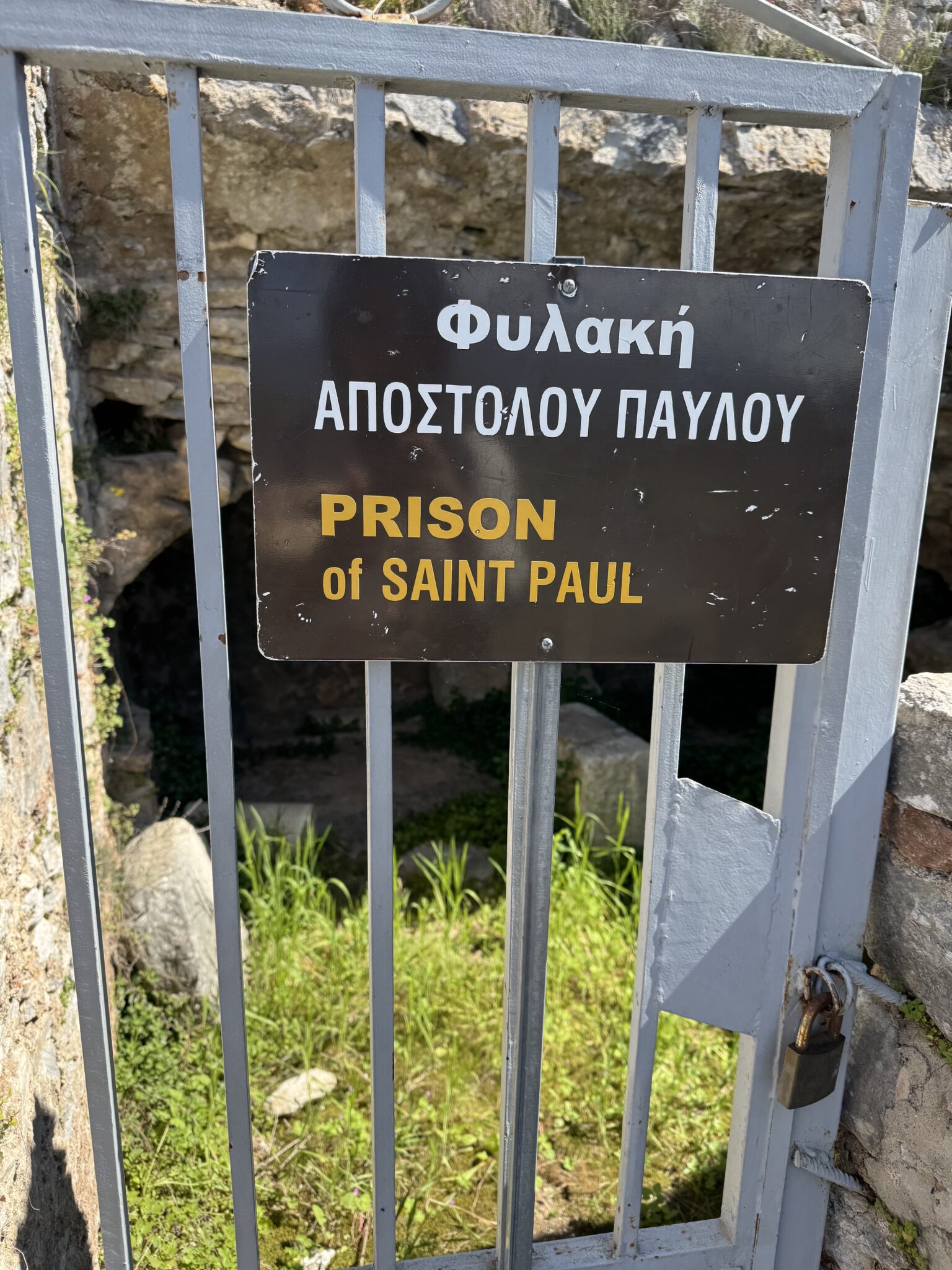 In the ancient archaeological site of Philippi, we walked where Paul walked daily, through the Agora and to the Basilica to pray. Here, Paul encountered the female slave whose owners had him and Silas seized and sent to prison because they healed her (Acts 16:16-24). Our cohort gathered around the prison cell where Paul and Silas had been kept in captivity. One of our cohort members read the passage and then reflected upon those in the U.S. who had been held in captivity and especially those who had died while in those places. As he read each name, tears rolled down the faces of some of our friends, thinking about the lives lost and the lives saved and the work that we are all called to do in the midst of pain and suffering. We wrestled with the meaning of the resurrection during this high and Holy Week for those who were still suffering.
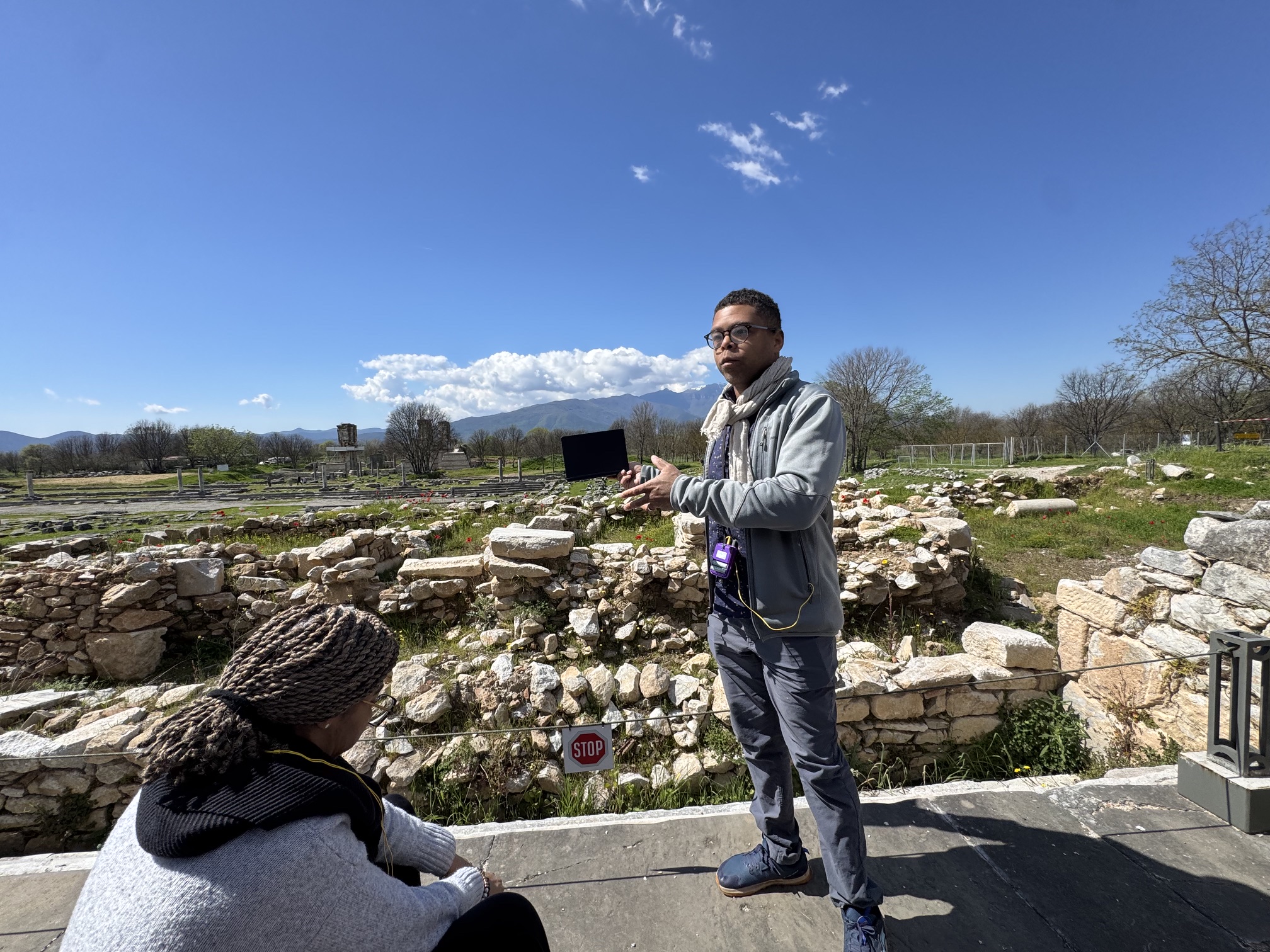 We sat with the pain Jesus carried as those closest to him fell away, one by one, under the weight of what was coming – and yet he pressed on, bearing the cross out of a love that refused to let any of us go. As we sat in these heavy moments, our cohort leaned into one another in awe and wonder as we unpacked not only what Paul, Timothy, and Silas faced, but also how it might inspire and help grow our capacity for ministry today.
To experience an Easter culture full of vastly different traditions than our own awakened in our group a new sense of awe as we thought about how the people in our congregations may see the rituals and traditions differently than the way we do as those leading the services.
For some of us, this past Easter (in the U.S.) had felt like just going through the motions. But, after this encounter with the Orthodox Easter one week later, we were reveling in the energy that permeated the air of a new kind of hope in the resurrection. It was a different lens that helped us reimagine how we might approach Easter 2027 from the perspective of one who does not know or understand the rituals and traditions that we engage with a sense of repetitive familiarity.
The gift Greece offered us was far more than a change of scenery. It was an unexpected encounter with the living God, one that drew us closer to each other, reignited the call that first set us apart for ministry, and stretched our capacity for faithful work in ways that will ripple through our congregations and communities long after we returned home.
- What ministry “motions” are you going through that have lost meaning and value for you as a leader?
- When was the last time you experienced a new ritual or tradition from another faith community or another culture?
- What mysteries of God’s love and grace invite you into awe and wonder with the people you walk with in your community?
- Who are the leaders of faith that you can lean on and process with as you discover something new about your rituals and traditions?

No Comments